
At a glance
- A facial is a professional skincare treatment that cleanses, exfoliates, and hydrates the skin, often with a mask and massage.
- Medical or medspa facials add clinical-grade products and devices to target acne, aging, pigmentation, and more.
- Popular types include HydraFacial®, chemical peels, microdermabrasion, dermaplaning, and microneedling facials.
- Most basic facials have no downtime; more intensive treatments may cause brief redness or flaking.
- Getting facials regularly, often about monthly, supports healthier skin over time.
- Use Medspa Maps to find and compare facial and skincare providers near you.
What is a facial?
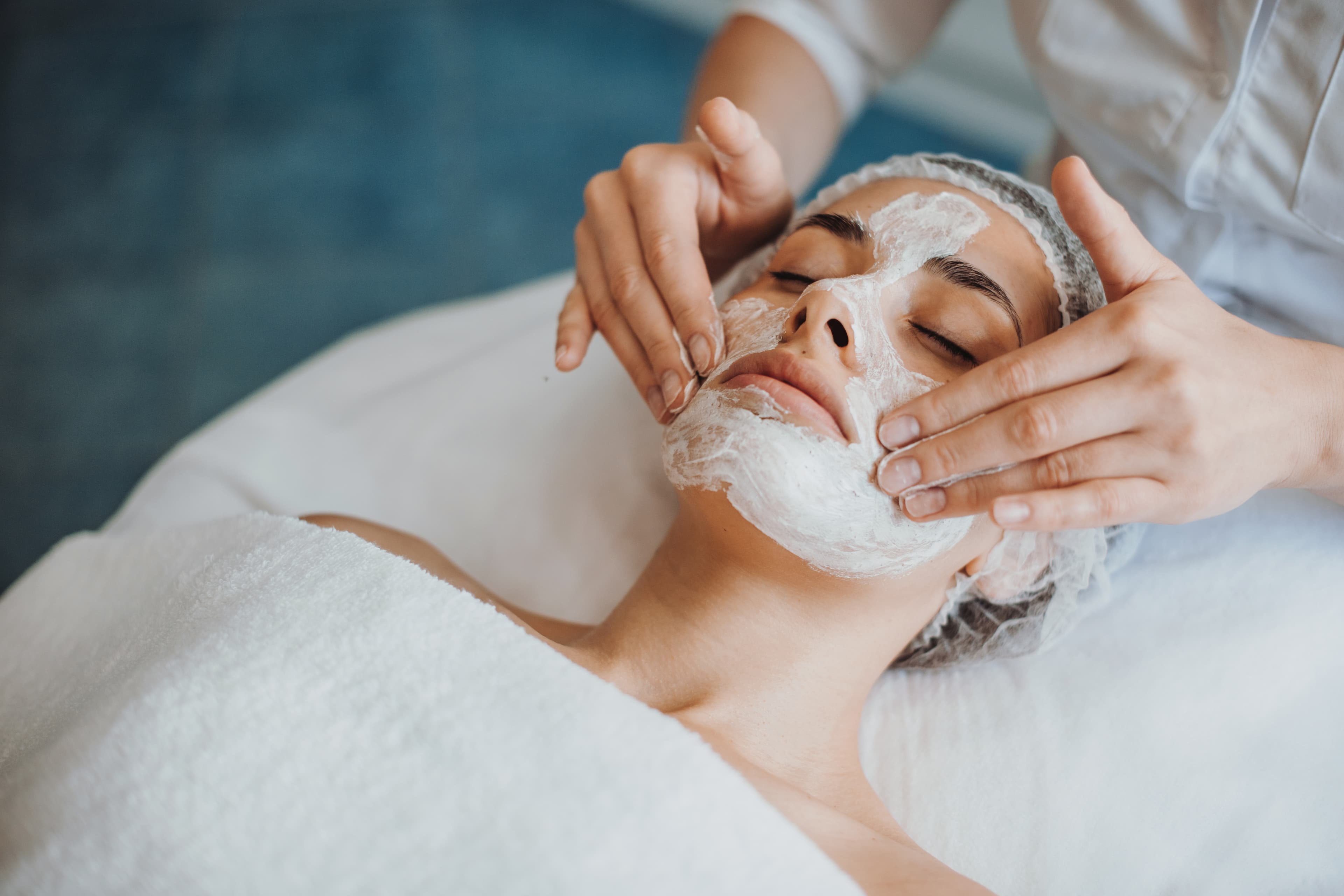
A facial is a professional skincare treatment that typically cleanses, exfoliates, extracts, and hydrates the skin, often finishing with a mask and facial massage. It is designed to improve your skin's health and appearance and can be tailored to your skin type and concerns.
At a medspa, facials often go beyond a basic spa treatment by using clinical-grade products and devices, sometimes under medical supervision, to more directly target concerns like acne, aging, and uneven tone.
A facial is a professional treatment that cleanses, exfoliates, and hydrates the skin; medical-grade facials add clinical products and devices to target specific concerns.
What are the main types of facials?
Facials range from relaxing hydrating treatments to clinical procedures. Common medspa options include the HydraFacial®, chemical peels, microdermabrasion, dermaplaning, and microneedling facials.
- Classic / hydrating facial: cleansing, exfoliation, extractions, and hydration for general skin health.
- HydraFacial®: a device-based treatment that cleanses, exfoliates, and infuses serums.
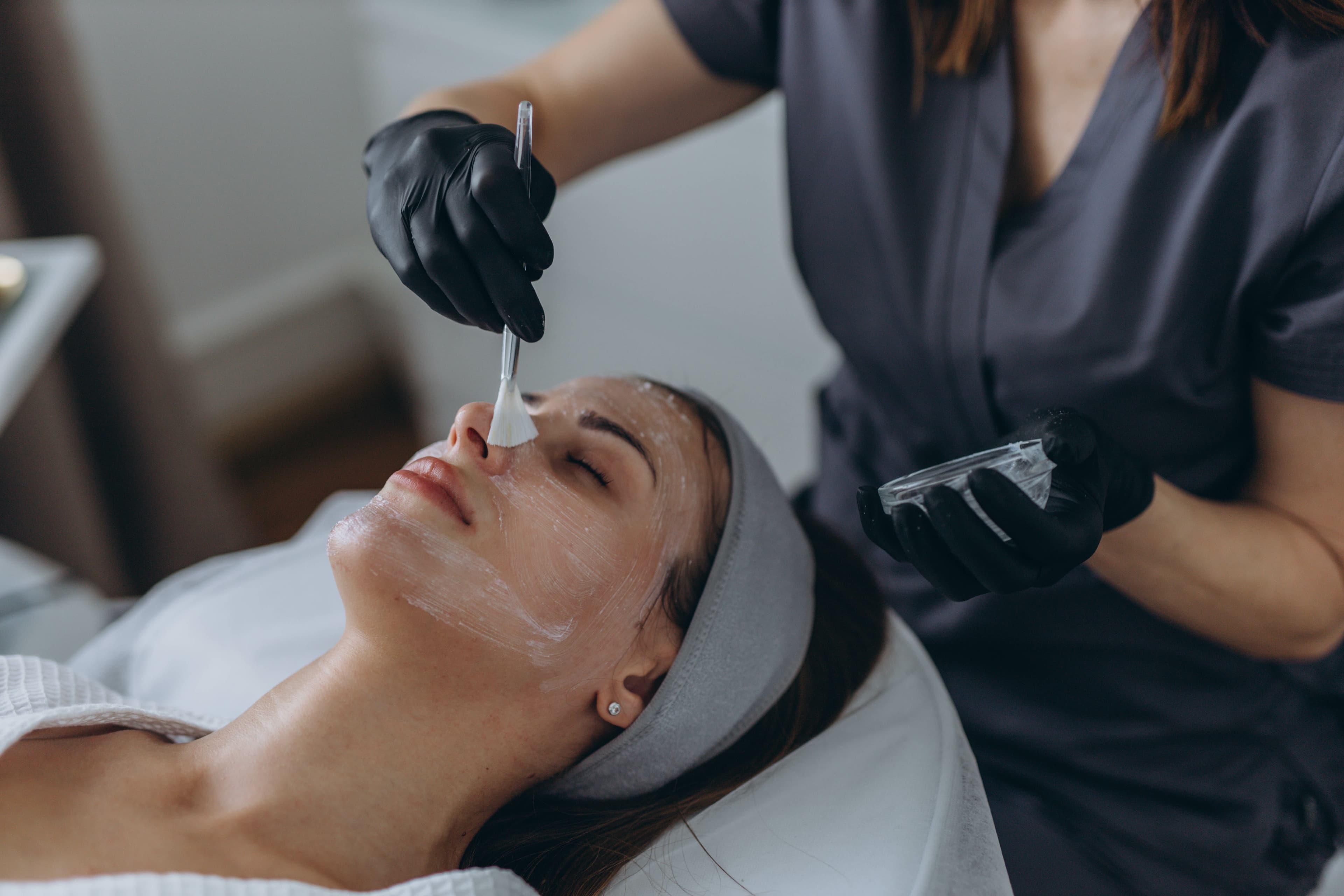
- Chemical peel: acids that exfoliate to improve tone, texture, and pigmentation.
- Microdermabrasion: physical exfoliation to smooth and brighten the skin.
- Dermaplaning: gentle scraping that removes dead skin and fine facial hair.
- Microneedling facial: micro-injuries that stimulate collagen for texture and tone.
What are the benefits of getting a facial?
Facials can deep-clean and hydrate the skin, improve clarity and glow, support a healthy skin barrier, and address specific concerns like congestion or dullness. Benefits build with consistent, professional treatment.
A professional can also assess your skin and recommend a routine, so a facial doubles as a check-in on your overall skin health. Results are cumulative and depend on your skin and your at-home care.
Spa facial vs. medical facial: what's the difference?
A spa facial focuses on relaxation and general maintenance, while a medical or medspa facial uses clinical-grade products and devices, often with medical oversight, to more aggressively target concerns like acne, aging, and pigmentation.
If your goal is relaxation and glow, a spa-style facial may be perfect. If you are treating a specific concern, a medspa facial with stronger tools may be a better fit. Many providers offer both.
What to look for in a provider
Look for a licensed esthetician or a medspa with qualified skincare staff, treatments matched to your skin type, and clear communication about what each facial does. For medical-grade treatments, medical oversight is a plus.
- Licensed estheticians: trained, credentialed skincare professionals.
- A skin assessment: they evaluate your skin and recommend the right facial.
- Appropriate products: ingredients and strength matched to your skin.
- Medical oversight: important for peels and other clinical treatments.
- Reviews: consistent, credible feedback from clients.
Looking for a Facials provider?
Find facial providers near youFrequently asked questions
What is a facial?
A facial is a professional skincare treatment that typically cleanses, exfoliates, extracts, and hydrates the skin, often with a mask and massage. Medical-grade facials may add treatments like chemical peels, microdermabrasion, or dermaplaning for stronger results.
How often should you get a facial?
A common recommendation is about once a month, which aligns with the skin's natural renewal cycle, though the ideal frequency depends on your skin and goals. A provider can suggest a schedule for you.
What is the difference between a spa facial and a medical facial?
Spa facials focus on relaxation and general skin maintenance, while medical or medspa facials use clinical-grade products and devices, and are often overseen by medical staff, to target concerns like acne, aging, or pigmentation more aggressively.
Do facials really work?
Facials can improve hydration, clarity, and glow, and consistent professional treatment supports healthy skin over time. Results are cumulative and vary by skin type, the type of facial, and your at-home routine.
How much does a facial cost?
Costs vary widely by the type of facial, the provider, and your location, with medical-grade facials generally more involved than basic ones. A provider can give you an accurate estimate.
Is there downtime after a facial?
Most basic facials have no downtime. More intensive medical facials, such as those with peels or microdermabrasion, may cause temporary redness or flaking for a day or two.
Find facial providers near you
Search Medspa Maps to find and compare licensed practices, read real patient reviews, and book directly with the provider.