
At a glance
- Hyperpigmentation is darkened patches of skin caused by excess melanin, usually from sun, inflammation, or hormones.
- The most common types are sun/age spots, post-inflammatory hyperpigmentation (PIH), and melasma.
- Professional treatments include chemical peels, laser and IPL, microneedling, and prescription topicals.
- Melasma and deeper skin tones need extra caution, since aggressive treatments can worsen pigment.
- Daily sun protection is essential to fade spots and keep them from returning.
- Use Medspa Maps to find and compare providers who treat pigmentation near you.
What is hyperpigmentation?
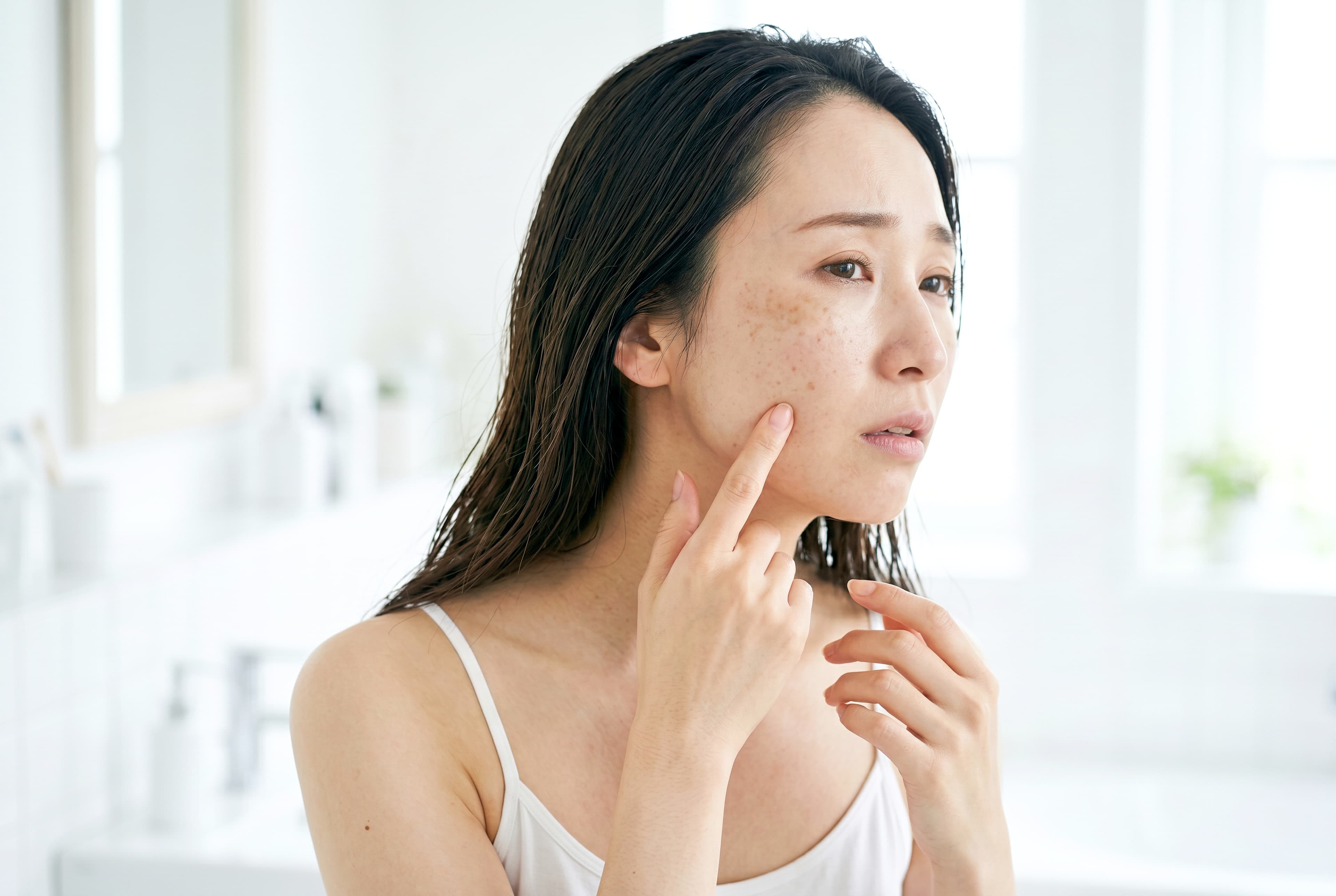
Hyperpigmentation is a common, usually harmless condition where patches of skin become darker than the surrounding area due to excess melanin. It appears as spots, patches, or broad discoloration, most often on sun-exposed areas like the face, hands, and chest.
While most pigmentation is a cosmetic concern, any new, changing, itching, or bleeding spot should be checked by a dermatologist to rule out something more serious.
Not all dark spots are the same. Sunspots, post-inflammatory marks, and melasma respond to different treatments, so identifying the type comes first.
What causes pigmentation and dark spots?
Pigmentation is driven mainly by sun exposure, skin inflammation or injury, and hormonal changes. Medications and genetics can also contribute.
- Sun exposure: UV light stimulates melanin, producing sunspots and worsening most pigmentation.
- Inflammation or injury: acne, eczema, and procedures can leave post-inflammatory dark marks.
- Hormones: pregnancy and hormone changes can trigger melasma.

What are the types of pigmentation?
The three most common types are sunspots (or age spots), post-inflammatory hyperpigmentation, and melasma. They differ in cause, depth, and how they respond to treatment.
| Type | Typical cause | Outlook |
|---|---|---|
| Sun / age spots | Cumulative UV exposure | Responds well |
| Post-inflammatory (PIH) | Acne, injury, inflammation | Fades over time; treatable |
| Melasma | Hormones plus sun | Manageable; prone to recurrence |
What medspa treatments work on pigmentation?
The most effective professional options are chemical peels, laser and IPL, microneedling, and prescription-strength topicals. The right one depends on the type of pigmentation, its depth, and your skin tone, and providers often combine treatments.
- Chemical peels: exfoliate pigmented surface cells to brighten tone.
- Laser and IPL: target pigment; effective but require caution, and not first-line for melasma.
- Microneedling: boosts turnover and is often safer across skin tones.
- Prescription topicals: ingredients like hydroquinone, tretinoin, and vitamin C, often a first step.
Is pigmentation treatment safe for darker skin tones?
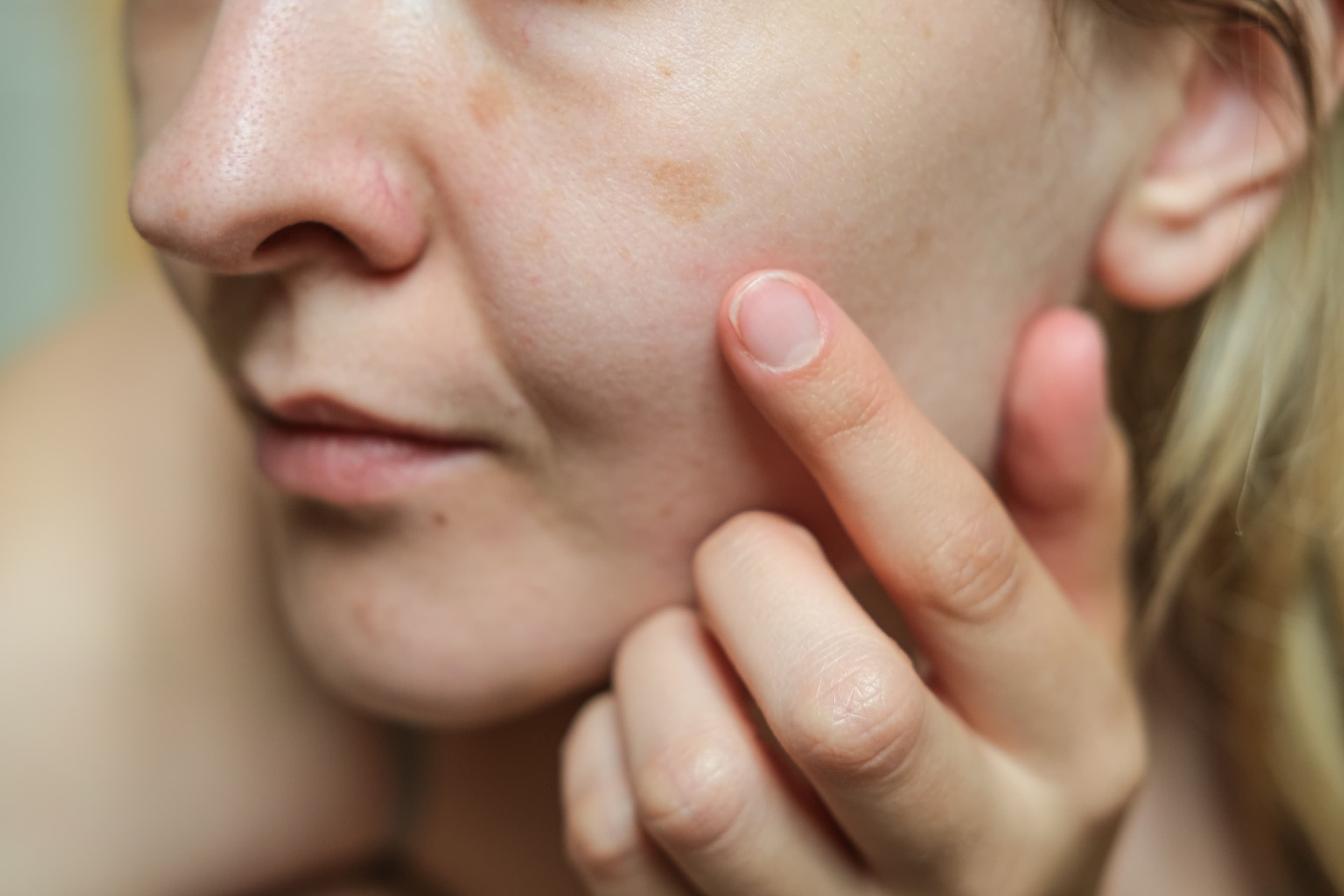
Yes, but the choice of treatment is critical. Deeper skin tones have more active melanin, so aggressive lasers and IPL can sometimes trigger more pigment. Gentler, melanin-safe options in experienced hands are often the smarter starting point.
Safer approaches for richer skin tones often include microneedling, superficial peels, prescription topicals, and specific laser wavelengths used at conservative settings. The most important safeguard is a provider experienced in treating skin of color.

What to look for in a provider
Look for a licensed professional who can correctly identify your type of pigmentation, has experience with your skin tone, and offers the appropriate mix of treatments rather than a single option.
- Accurate diagnosis: they identify the type of pigmentation before treating it.
- Skin-of-color experience: essential for safe, effective treatment in deeper tones.
- A range of options: peels, devices, and topicals, matched to your skin.
- Medical oversight: important for prescription treatments and lasers.
- Reviews: consistent, credible results.
Looking for a provider who treats pigmentation?
Find pigmentation providers near youFrequently asked questions
What causes skin pigmentation and dark spots?
Excess pigmentation is caused by overproduction of melanin, usually triggered by sun exposure, inflammation or injury (such as acne), or hormones. Certain medications and genetics can also play a role.
What is the best treatment for pigmentation?
It depends on the type and depth of the pigmentation and your skin tone. Options include chemical peels, laser and IPL, microneedling, and prescription topicals. Melasma and deeper skin tones need gentler, carefully chosen approaches.
Can pigmentation be removed permanently?
Many dark spots can be significantly improved, but results vary and pigmentation can return, especially with sun exposure. Ongoing sun protection and maintenance are key to keeping skin clear.
Is pigmentation treatment safe for darker skin tones?
Yes, with the right approach. Deeper skin tones have more active melanin, so aggressive lasers and IPL can sometimes worsen pigment. Gentler, melanin-safe options in experienced hands are often the smarter starting point.
How long does it take for dark spots to fade?
Most people see gradual improvement over several weeks to a few months, depending on the treatment and the depth of the pigment. Consistency and daily sunscreen make a big difference.
How do I prevent pigmentation from coming back?
Daily broad-spectrum sunscreen is the most important step, along with treating acne and irritation early and avoiding picking at the skin. A maintenance routine helps keep results.
Find pigmentation providers near you
Search Medspa Maps to find and compare licensed practices, read real patient reviews, and book directly with the provider.