
Good laser hair removal preparation comes down to three things: shave the area the day before, stay out of the sun and skip any kind of tanning, and stop waxing, plucking, and threading for several weeks beforehand. Those steps give the laser a clear target and protect your skin, which means safer, more effective sessions. This guide walks through exactly what to do in the weeks and days leading up to your appointment so you show up ready.
Laser hair removal works by targeting the pigment in the hair root, so the way you prepare directly affects how well it works. A little planning also lowers your risk of irritation, burns, and disappointing results. Your provider will give you personalized instructions, and those always take priority over general advice.
Laser Hair Removal Preparation at a Glance
The heart of laser hair removal prep is simple: keep the root in place, keep your skin untanned, and shave right before your visit. Avoid anything that pulls hair from the follicle, like waxing or plucking, since the laser needs that root. Avoid sun and self-tanner, since color in the skin competes with the laser.
In the Weeks Before: Protect Your Skin and Skip the Wax
Start preparing about four to six weeks out by putting away the wax, tweezers, and epilator. Waxing, plucking, threading, and epilating pull the hair out by the root, and the root is exactly what the laser targets, so removing it makes treatment far less effective. Shaving is fine because it leaves the follicle intact.
This is also when sun protection becomes essential. Avoid direct sun and tanning beds for at least two to four weeks before treatment, and wear a broad-spectrum SPF daily. Tanned or sun-exposed skin raises the risk of burns and pigment changes, and many providers will not treat recently tanned skin.
Shaving Before Laser Hair Removal: Why It Matters
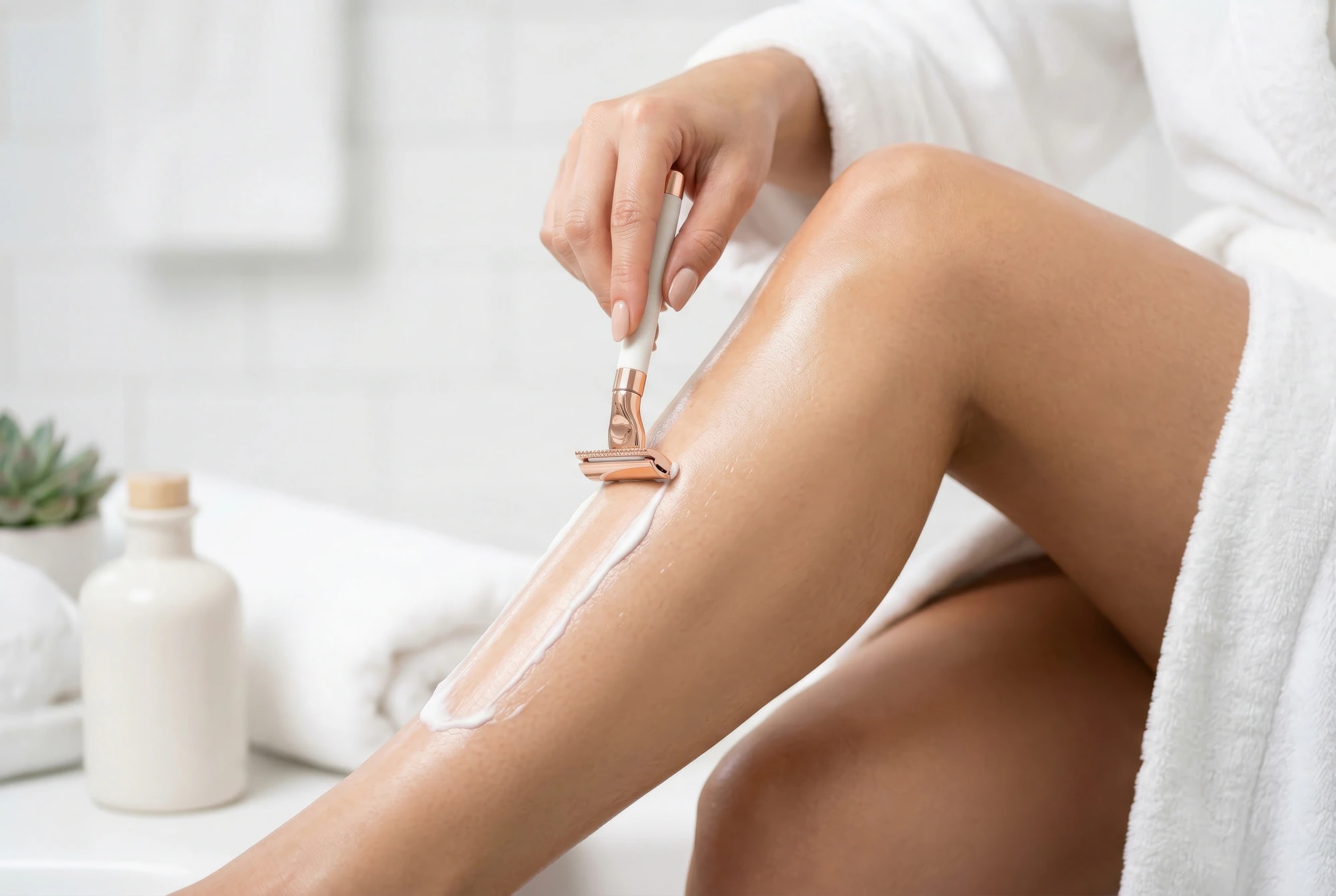
Shaving before laser hair removal is one of the few things you should do rather than avoid, and timing matters. Most providers ask you to shave the treatment area 12 to 24 hours before your appointment, unless they tell you otherwise. Shaving removes the hair above the skin so the laser energy travels down to the root instead of burning surface hair, while still leaving the follicle in place for the laser to target.
Shaving the day before, rather than the morning of, also gives minor razor irritation time to settle. Use a clean, sharp razor and be gentle, and ask your provider if you are unsure whether to shave a particular area.
What to Avoid Before Your Appointment
A few things on your skin or in your routine can interfere with treatment or raise your risk of irritation. In the days before your session, most providers recommend you avoid:
- Self-tanner and spray tans, which add color the laser can misread. Let any existing tan fully fade first.
- Waxing, plucking, threading, and bleaching the hair, all of which remove or lighten the root.
- Retinoids and strong exfoliating acids on the treatment area for several days, or as your provider advises.
- Deodorant, lotion, makeup, and perfume on the treatment area on the day of your appointment.
- Sunburn of any kind, which usually means rescheduling.
It is also worth telling your provider about any medications or supplements you take, since some increase sun sensitivity and may affect timing or settings.
The Day of Your Treatment
On treatment day, arrive with the area freshly shaved from the day before and your skin clean and product-free. Skip lotions, deodorant, makeup, and sunscreen on the area being treated, since a clean surface lets the device work safely and accurately. Loose, comfortable clothing over the treatment area is a smart choice, especially for larger zones like legs or the bikini line.
If you tend to be sensitive, ask whether a numbing cream is appropriate. Most people find the sensation very manageable, often described as a quick, warm snap.
Preparation Tips for the Best Results
A few extra laser hair removal tips help you get the most from each session. Stay consistent with your appointment schedule, since laser targets hair in its active growth phase and multiple sessions are needed to catch every follicle. Keep shaving between sessions rather than waxing or plucking. Hydrate your skin and keep using daily sunscreen throughout your treatment plan. Results build over a series of sessions, and steady prep between visits is what keeps them on track.
When to Talk to Your Provider
A consultation before you start is the most important part of laser hair removal before treatment. Your provider will assess your skin and hair type to choose the right device and settings, since laser hair removal suits a wide range of skin tones but the right approach depends on your individual coloring. Providers use the Fitzpatrick skin type scale, which classifies how skin responds to light, to guide those choices.
Bring up any medications, skin conditions, history of cold sores, or the possibility of pregnancy, since providers commonly postpone treatment during pregnancy as a precaution. Many clinics also do a small patch test first to see how your skin responds.
Find and Compare Laser Hair Removal Providers
The right settings and an experienced hand make all the difference in both safety and results, so choosing a qualified provider is where good preparation really pays off. When you are ready, you can find laser hair removal providers near you and compare local practices and reviews on Medspa Maps to book with someone you trust.
Frequently asked questions
Should I shave before laser hair removal?
Yes. Shave the area 12 to 24 hours before your appointment unless your provider says otherwise. This removes surface hair while leaving the root for the laser to target.
Can I wax before laser hair removal?
No. Avoid waxing, plucking, and threading for about four to six weeks beforehand, since they remove the root the laser needs to be effective.
Can I get laser hair removal if I have a tan?
It is best to avoid it. Tanned or sun-exposed skin raises the risk of burns and pigment changes, so let a tan fade and avoid sun for two to four weeks first.
What should I not put on my skin the day of treatment?
Arrive with clean skin and no lotion, deodorant, makeup, perfume, or sunscreen on the area being treated.