
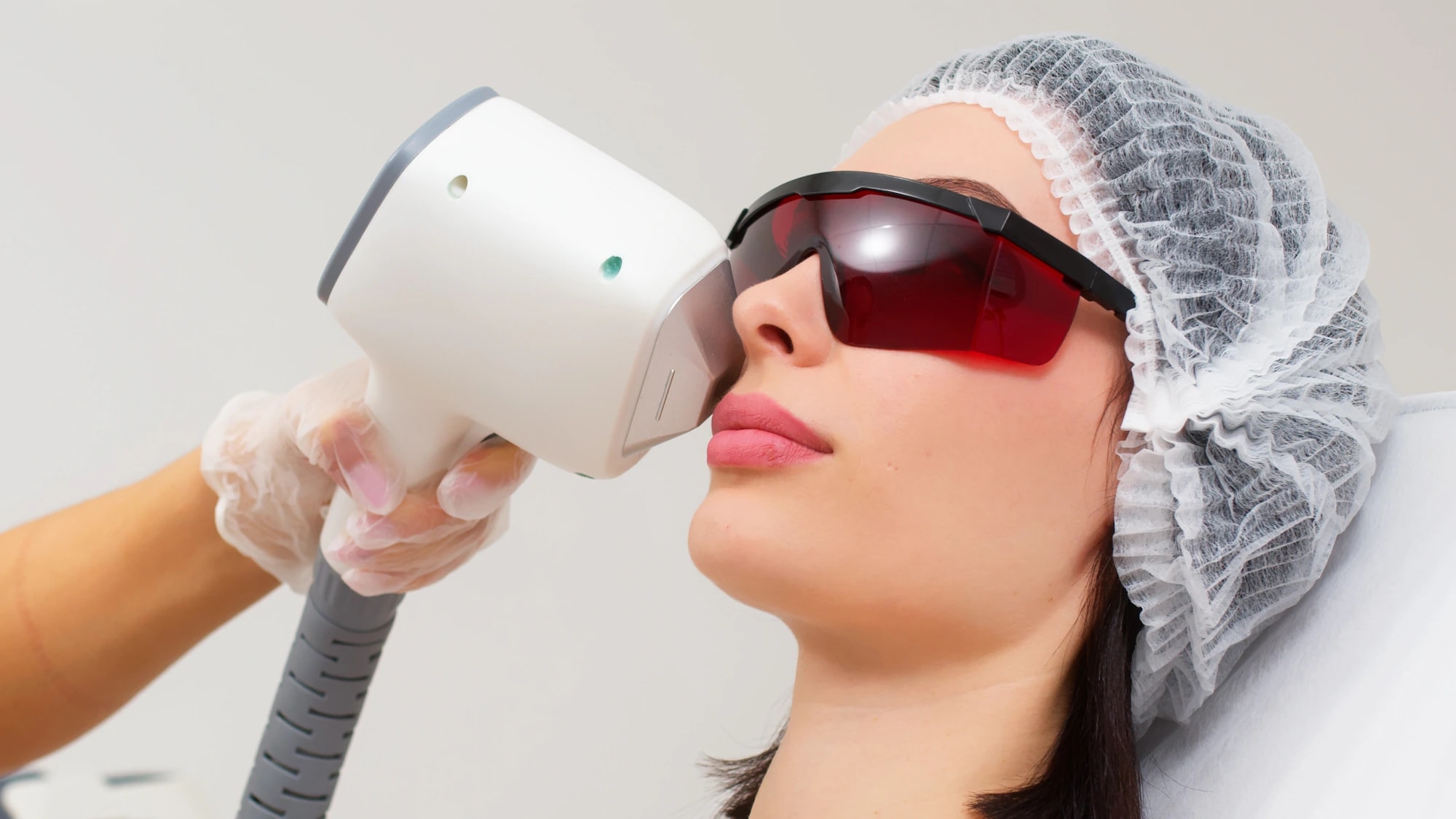
IPL vs BBL is less of a rivalry than it sounds, because BBL is actually a newer, more advanced form of IPL. Both are light-based photofacials that treat sun damage, brown spots, redness, and uneven tone by delivering pulses of light into the skin. The practical differences come down to how customizable and precise the technology is, and the better choice depends on your skin, your goals, and the specific device your provider uses. This guide explains how they compare so you can choose with confidence.
IPL stands for intense pulsed light, and BBL stands for broadband light. Despite the names people sometimes use, neither is a true laser. Lasers use a single, focused wavelength, while IPL and BBL use a broad range of light wavelengths to target color in the skin. That broad reach is exactly what makes them so useful for pigment and redness.
IPL vs BBL: The Short Answer
Both treatments improve the same kinds of concerns, and both deliver real results in skilled hands. BBL vs IPL photofacial differences matter most at the technology level, where BBL offers more precise, customizable settings. For you as a patient, the provider's experience and the device they use often matter more than the label itself.
What IPL and BBL Have in Common
IPL and BBL share the same basic approach and treat the same core concerns. Both use pulses of light absorbed by pigment and blood vessels, which helps fade brown spots, calm redness, and even out tone. Both are best suited to color-based concerns like sun damage and rosacea rather than texture or deep wrinkles. Both are quick, in-office treatments with minimal downtime, and both usually work best as a series of sessions with ongoing maintenance.
The Difference Between IPL and BBL
The core IPL treatment technology has been around for years and varies widely from device to device, so results depend heavily on the specific machine and settings. BBL, developed by Sciton, is a modern evolution of IPL with a few meaningful upgrades:
- A wider, more customizable range of wavelengths and filters, so the provider can fine-tune treatment to your specific concern.
- More precise, consistent energy delivery, which can improve both comfort and results.
- Adaptable settings for different concerns, from pigmentation to redness, sometimes in the same session.
- A maintenance-focused protocol that some patients use over time to support ongoing skin quality.
In short, all BBL is a form of IPL, but not all IPL is BBL. Think of BBL as a premium, highly tunable version of the same underlying idea.
What Each Treatment Is Best For
Both BBL treatment and standard IPL shine at color-based skin concerns. Most patients seek either one to address sun damage and brown spots, diffuse facial redness and rosacea, broken capillaries, and general dullness or uneven tone. Because BBL is more customizable, some providers find it easier to adjust for combination concerns or to specific areas. Neither treatment is designed to smooth deep lines or resurface rough texture, which usually calls for a different approach.
Comfort, Downtime, and Sessions
Downtime is minimal for both, which is part of why these treatments are so popular. Expect some redness and warmth right after, similar to a mild sunburn, and darkened brown spots that surface and flake off over the following days as your skin renews. Most people return to normal activity immediately and cover any redness with makeup the next day.
Both treatments feel like a quick, warm snap against the skin, and many patients describe BBL as comfortable and fast thanks to its refined settings. You will typically need a series of sessions spaced a few weeks apart to see the best results, followed by occasional maintenance.
Are IPL and BBL Right for Your Skin?
Light-based treatments work by targeting pigment, so they are not equally suited to every skin tone. On deeper skin tones, these devices carry a higher risk of unwanted pigment changes, so candidacy has to be assessed carefully. Providers use the Fitzpatrick skin type scale, which classifies how skin responds to light, to decide whether IPL or BBL is appropriate and how to set the device.
You will also need to avoid sun exposure and self-tanner before and after treatment, since tanned skin raises the risk of side effects. A consultation and sometimes a test spot are the safest way to confirm the right fit.
Which Should You Choose?
The best choice depends on your goals, your skin, and what is available near you. If a practice offers well-maintained BBL and an experienced provider, its customizability can be an advantage. If a practice has a strong IPL device and a skilled injector, you can get excellent results there too. BBL is sometimes priced higher than standard IPL, so it is worth asking providers directly and comparing value rather than focusing on the name alone. As always, the person operating the device matters most.
Compare IPL and BBL Providers Near You
Since your results depend on the device and the hands running it, the best next step is finding an experienced provider and seeing which technology they offer. You can browse laser and light treatments and find IPL photofacial providers near you on Medspa Maps to compare practices, read reviews, and talk through which option fits your skin during a consultation.
Frequently asked questions
Is BBL better than IPL?
BBL is a newer, more customizable form of IPL, which can be an advantage. Results still depend heavily on the provider's skill and the specific device, so neither is universally better.
Are IPL and BBL lasers?
No. Both use a broad range of light wavelengths, while lasers use a single focused wavelength. That broad range is what makes them effective for pigment and redness.
What do IPL and BBL treat?
Both address color-based concerns like sun damage, brown spots, redness, rosacea, and uneven tone. Neither is designed to resurface texture or smooth deep wrinkles.
How many sessions will I need?
Most people need a series of sessions spaced a few weeks apart, followed by occasional maintenance. Your provider will build the plan around your skin and goals.
Is there downtime?
Very little. Expect mild redness and darkened spots that flake off over a few days. Most people resume normal activity right away.