
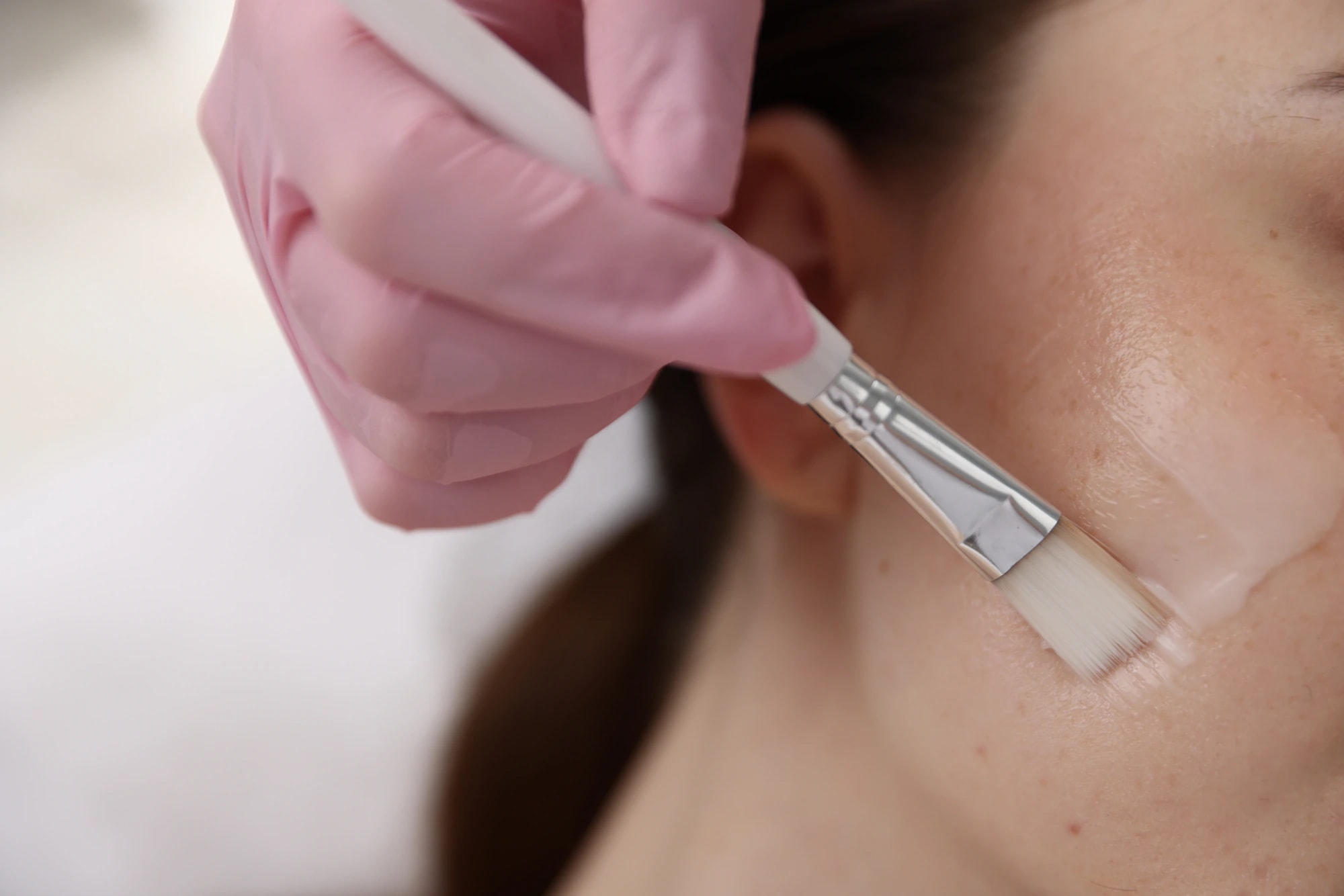
Chemical peel vs laser resurfacing is a choice between two proven ways to renew your skin. A peel uses a chemical solution to exfoliate and shed damaged surface layers, while laser resurfacing uses focused light energy to do the same, often with more precision and power. Both improve texture, tone, pigmentation, and fine lines by prompting fresh skin and new collagen. Neither is universally better, and the right one depends on your concern, your skin type, how much downtime you can take, and your budget.
Both fall under the umbrella of skin resurfacing treatments, and both come in a range of strengths from gentle to intensive. That range matters, because a light peel and a deep laser are very different experiences.
Chemical Peel vs Laser Resurfacing: The Short Answer
Chemical peels tend to be the more accessible, budget-friendly choice for pigmentation, dullness, and mild texture, while laser resurfacing offers more control and stronger results for deeper wrinkles and significant scarring. Both scale in intensity. If you want a gentler, lower-cost entry point, a peel is often the place to start. If you are targeting deeper or more stubborn concerns, laser may be worth the added cost and downtime.
How Chemical Peels Work
A chemical peel applies a solution of acids to the skin to loosen and remove outer layers, which reveals fresher skin underneath and stimulates renewal. Chemical peel benefits include brighter tone, smoother texture, and reduced pigmentation. Peels are grouped by how deeply they work.
Light Peels
Light, or superficial, peels use mild acids like glycolic or salicylic acid to exfoliate the outermost layer. They involve little to no downtime, give a fresh glow, and are often done in a series for maintenance. They suit dullness, mild texture, and congestion.
Medium and Deep Peels
Medium peels reach further to address pigmentation, fine lines, and mild scarring, with about a week of visible peeling. Deep peels use stronger agents for more dramatic results on deeper wrinkles and sun damage, but they involve significant downtime and are performed less often. Your provider matches the depth to your concern and skin.
How Laser Resurfacing Works
Laser skin resurfacing uses focused light energy to remove or heat skin layers with precision, prompting new collagen and smoother skin. Lasers offer fine control over depth, which is part of why they can address more advanced concerns. They fall into two broad categories.
Ablative Lasers
Ablative lasers, such as CO2 and Er:YAG, remove the outer layers of skin. They produce the most dramatic results for deep wrinkles, significant sun damage, and deeper acne scars, but they come with the longest recovery, often one to two weeks.
Non-Ablative Lasers
Non-ablative lasers heat the deeper skin without removing the surface, so recovery is shorter and side effects are milder. Results are more gradual and usually require a series of sessions. This option suits people who want meaningful improvement with less downtime.
The Key Differences at a Glance
The main differences between the two come down to how they work and what they do best:
- Method: peels use chemical exfoliation, while lasers use light energy.
- Precision: lasers offer more precise depth control and customization.
- Strength: deep concerns like advanced scarring and deep wrinkles often respond better to laser.
- Accessibility: peels are generally more affordable and widely available.
- Downtime: both scale with intensity, from minimal to a couple of weeks.
- Cost: laser resurfacing is typically priced higher than a comparable peel.
What Each Treatment Is Best For
Matching the treatment to your primary concern is the most useful way to choose.
When a Chemical Peel Makes Sense
A peel is often the better fit for uneven tone and pigmentation, dullness, mild fine lines, mild acne and breakouts, and general refreshment, especially if you prefer a lower-cost option or a gentler series over time.
When Laser Resurfacing Makes Sense
Laser resurfacing tends to make more sense for deeper wrinkles and fine lines, more significant sun damage, and deeper or more stubborn acne scars, or when you want more precise, longer-lasting resurfacing and can plan for the recovery.
Downtime and Recovery
Downtime depends far more on intensity than on which method you choose. A light peel or a non-ablative laser may involve only a few days of redness and flaking, while a medium peel or an ablative laser can mean a week or more of peeling and redness. For both, you will keep your skin protected and simple while it heals, avoid sun, and wear daily sunscreen to safeguard your results.
Which Is Right for Your Skin?
The best choice depends on your skin as much as your goals. Both peels and lasers can carry a risk of unwanted pigment changes, particularly on deeper skin tones and with more aggressive treatments, so candidacy has to be assessed individually. Providers use the Fitzpatrick skin type scale to gauge how your skin is likely to respond and select a safe, effective option. Certain peels and gentler laser settings can suit a wide range of skin tones in experienced hands. A consultation, and sometimes a test spot, is the safest way to decide, and the provider's expertise matters as much as the technology.
Compare Your Options and Find a Qualified Provider
The clearest way to know which treatment suits your skin is to talk it through with an expert who offers both. You can explore chemical peel options and laser skin treatments near you on Medspa Maps to compare practices, read reviews, and book a consultation with a qualified provider who can recommend the right approach for your goals.
Frequently asked questions
Which is better for acne scars, a chemical peel or laser?
It depends on the depth of the scarring. Lighter scars can respond well to peels, while deeper, more stubborn scars often improve more with laser resurfacing.
Is laser resurfacing more effective than a chemical peel?
For deeper concerns, often yes, thanks to its precision and power. For tone and mild texture, a peel can be just as satisfying at a lower cost.
Can I do these treatments on darker skin tones?
Sometimes, with the right choice and an experienced provider. Both carry a higher risk of pigment changes on deeper skin, so a careful assessment is essential.